

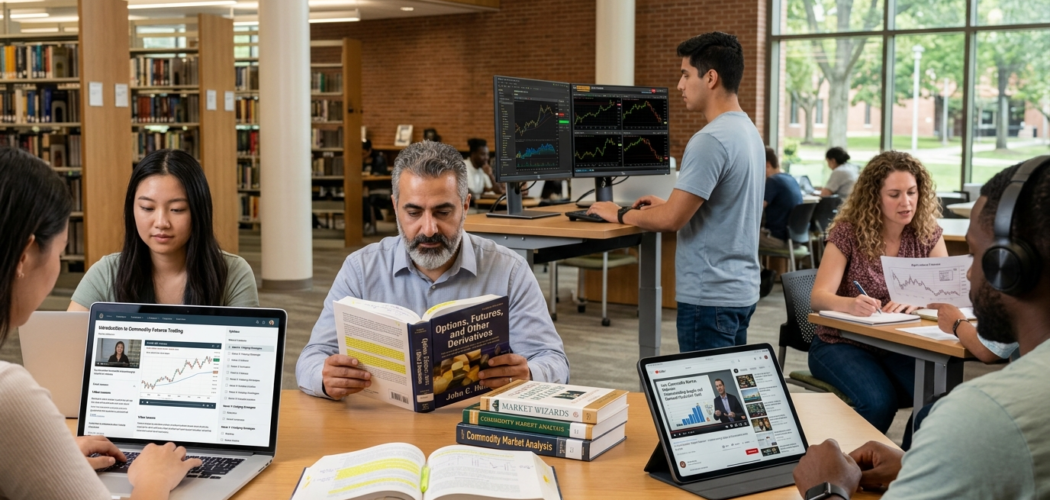
If you want to learn commodity markets quickly, the good news is that you no longer need years of experience or a finance degree to get started. Today, with the right mix of resources, tools, and guidance, you can build a solid understanding of commodities in a surprisingly short time. However, knowing where to begin often feels overwhelming, especially with so much information available online.
Commodity markets move fast, and they respond to global events, economic data, and investor sentiment. Because of this, beginners often struggle to filter useful insights from noise. Still, once you focus on the right learning materials, the process becomes much easier. By combining structured education with real-world exposure, you can develop both knowledge and confidence at the same time.
Start With Foundational Learning Platforms
To learn commodity markets quickly, you should begin with platforms that explain the basics clearly. Without a strong foundation, advanced strategies will feel confusing and disconnected. Therefore, starting simple helps you build momentum and avoid frustration early on.
Online learning platforms such as Coursera, Udemy, and Khan Academy offer beginner-friendly courses on commodities and financial markets. These courses often break down complex topics into manageable lessons, which makes learning more accessible. In addition, many of them include real examples that show how markets behave in different conditions.
At the same time, free resources like Investopedia provide detailed explanations of key terms, trading concepts, and market structures. Because these articles are easy to navigate, they serve as a reliable reference whenever you encounter unfamiliar ideas. As a result, you can gradually build your understanding without feeling lost.
Use Books That Simplify Complex Concepts
While digital resources are convenient, books remain one of the most effective ways to learn commodity markets quickly. They provide structured knowledge and often explain ideas in a more detailed and thoughtful way. Moreover, many authors use real-world stories to make the content more engaging.
Beginner-friendly books such as “A Beginner’s Guide to the Commodities Market” by Matthew Driver and “Hot Commodities” by Jim Rogers offer valuable insights into how these markets work. These books not only explain price movements but also explore the factors that influence supply and demand.
Reading consistently, even just a few pages a day, can significantly improve your understanding. Over time, you will notice patterns and connections that are harder to grasp through short articles alone. Therefore, combining books with online learning creates a more complete learning experience.
Follow Real-Time Market Data and News
To truly learn commodity markets quickly, you need to see how they behave in real time. Theory alone is not enough, especially in markets driven by constant change. By following live data, you begin to understand how news events impact prices.
Financial news platforms such as Bloomberg, Reuters, and CNBC provide up-to-date information on commodities like oil, gold, and agricultural products. These platforms help you connect economic events with market reactions. For example, you can observe how interest rate changes influence gold prices or how supply disruptions affect oil markets.
In addition, using charting tools like TradingView allows you to visualize price movements. Charts help you identify trends, patterns, and key levels, which are essential for understanding market behavior. As you spend more time analyzing charts, your ability to interpret price action improves naturally.
Leverage YouTube and Podcast Content
Another effective way to learn commodity markets quickly is through video and audio content. YouTube channels and podcasts often present information in a more engaging and relatable format. Because of this, they are especially useful for beginners who prefer visual or conversational learning styles.
Channels focused on trading and macroeconomics often explain current market trends and strategies. Watching these videos regularly helps reinforce concepts you have already learned. In addition, many creators break down complex ideas into simple explanations, which makes learning easier.
Podcasts, on the other hand, allow you to learn while commuting or exercising. Listening to experts discuss market trends, investment strategies, and economic developments keeps you informed without requiring extra time. This passive learning approach can accelerate your progress significantly.
Practice With Simulated Trading Platforms
Learning theory is important, but practice is what truly helps you learn commodity markets quickly. Simulated trading platforms provide a risk-free environment where you can apply what you have learned. These platforms allow you to trade commodities using virtual money, which helps you gain experience without financial risk.
Platforms like TradingView and various brokerage demo accounts offer simulation features. By practicing regularly, you can test strategies, analyze results, and refine your approach. Over time, this hands-on experience builds confidence and improves decision-making skills.
Moreover, simulation helps you understand emotional responses to market movements. Even without real money at stake, you begin to notice how fear and excitement influence your choices. Recognizing these emotions early can make a big difference when you eventually trade with real capital.
Join Communities and Discussion Forums
Another powerful way to learn commodity markets quickly is by engaging with other learners and experienced traders. Online communities provide opportunities to ask questions, share insights, and learn from real experiences. This interaction often accelerates understanding more than studying alone.
Forums like Reddit, TradingView communities, and specialized trading groups allow you to see different perspectives on the market. While not all advice is reliable, learning to evaluate information critically becomes part of the process. As a result, you develop both knowledge and judgment.
In addition, discussing ideas with others helps reinforce what you have learned. Explaining concepts in your own words strengthens your understanding and reveals gaps in your knowledge. Therefore, active participation can significantly improve your learning speed.
Focus on Key Commodities First
When trying to learn commodity markets quickly, it is tempting to study everything at once. However, focusing on a few key commodities makes the process more manageable. By narrowing your focus, you can develop deeper insights without feeling overwhelmed.
Gold, oil, and agricultural products are excellent starting points because they are widely traded and heavily influenced by global events. For example, gold often reacts to inflation and interest rates, while oil responds to geopolitical tensions and supply changes.
By studying these commodities in detail, you begin to understand broader market principles. Once you feel comfortable, you can expand your knowledge to other sectors. This step-by-step approach ensures steady progress and reduces confusion.
Understand Macro Trends and Economic Indicators
To fully learn commodity markets quickly, you must understand the bigger picture. Commodities do not move in isolation; they are influenced by macroeconomic factors such as inflation, interest rates, and currency strength. Therefore, keeping an eye on these indicators is essential.
Economic reports, central bank announcements, and geopolitical events all play a role in shaping commodity prices. For instance, rising inflation often drives demand for gold, while strong economic growth increases demand for energy.
By following these trends, you can anticipate market movements more effectively. This forward-looking perspective allows you to connect data with price action, which is a key skill for any investor.
Build a Simple Learning Routine
Consistency is one of the most important factors if you want to learn commodity markets quickly. Instead of trying to absorb everything at once, focus on building a daily routine. Even spending 30 minutes a day can lead to significant progress over time.
A simple routine might include reading a short article, watching a video, and reviewing market charts. This balanced approach keeps learning engaging while reinforcing key concepts. Over time, these small efforts add up and create a strong foundation.
Additionally, tracking your progress helps maintain motivation. Keeping notes or a journal allows you to reflect on what you have learned and identify areas for improvement. This habit not only speeds up learning but also builds discipline.
Avoid Common Beginner Mistakes
While trying to learn commodity markets quickly, many beginners fall into common traps. One of the biggest mistakes is chasing shortcuts. Although quick tips may seem appealing, they often lack depth and lead to confusion.
Another mistake is overloading yourself with information. Too many resources can create overwhelm and slow down progress. Instead, focus on a few high-quality sources and stick with them.
Emotional decision-making is also a challenge. Markets can be unpredictable, and reacting impulsively often leads to poor outcomes. Therefore, developing patience and discipline is just as important as gaining knowledge.
Conclusion
Learning how to learn commodity markets quickly is less about speed and more about using the right approach. With the right resources, consistent practice, and a clear strategy, you can build a strong understanding in a relatively short time. By combining foundational learning, real-time observation, and hands-on experience, you create a balanced and effective learning process.
At the same time, staying disciplined and avoiding common mistakes ensures steady progress. As you continue learning, your confidence will grow, and market movements will begin to make more sense. Ultimately, those who commit to the process and stay curious are the ones who succeed in navigating commodity markets effectively.
FAQ
- What is the fastest way to understand commodity markets?
The fastest way is to combine structured courses, real-time market observation, and practice through simulated trading platforms. - Do I need prior experience to get started?
No, beginners can start with basic resources and gradually build their knowledge through consistent learning. - Are books better than online courses for learning?
Both are valuable, but combining them provides a more complete and balanced understanding. - How long does it take to become confident in trading?
With daily practice and focused learning, many beginners gain confidence within a few months. - Should I focus on one commodity or many?
It is better to start with a few key commo