

Understanding why commodity markets are volatile is essential for anyone looking to trade or invest in this space. Unlike traditional assets, commodities react quickly to global events, supply disruptions, and shifting economic conditions. Because of this, price movements can feel unpredictable, especially for beginners. However, once you recognize the underlying forces, these fluctuations become easier to interpret.
At the same time, volatility is not necessarily a disadvantage. In fact, many traders actively seek it because it creates opportunities. Still, without a structured approach, it can lead to losses just as quickly as gains. Therefore, learning how commodity markets are volatile and how to respond effectively can help you stay in control and make smarter decisions over time.
The Nature of Supply and Demand Imbalances
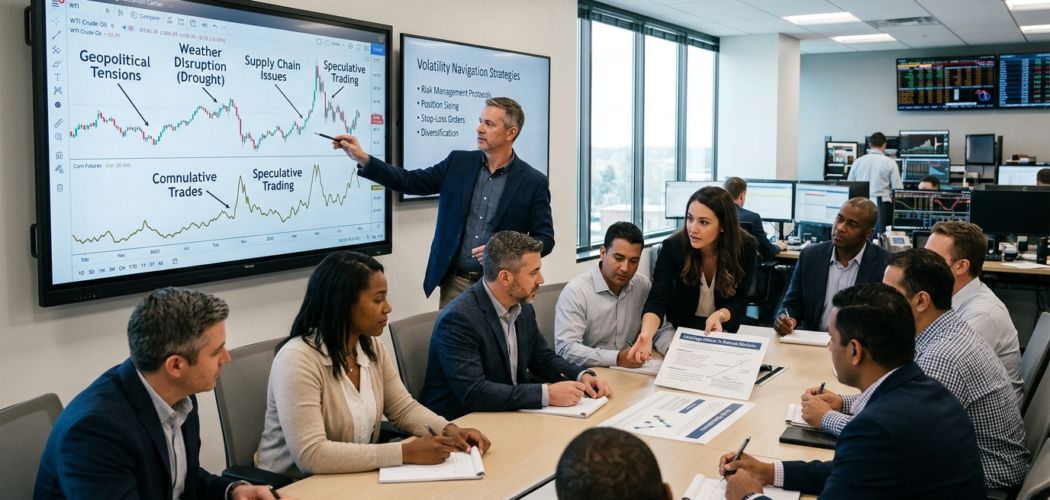
One of the main reasons commodity markets are volatile is the constant imbalance between supply and demand. Commodities rely heavily on physical production, which can be affected by factors beyond human control. Weather events, natural disasters, and geopolitical conflicts can disrupt supply chains almost instantly.
For example, a drought can reduce agricultural output, causing prices to spike. Similarly, political tensions in oil-producing regions can limit supply and drive energy prices higher. Because these events are often unexpected, markets react quickly, creating sharp price movements.
On the demand side, economic growth also plays a major role. When economies expand, demand for raw materials increases. As a result, prices tend to rise. However, during economic slowdowns, demand drops, leading to price declines. This constant push and pull contributes to ongoing volatility.
The Impact of Global Economic Conditions
Another key reason commodity markets are volatile is their sensitivity to global economic trends. Commodities are closely tied to industrial activity, inflation, and currency movements. Therefore, even small changes in economic data can trigger significant price shifts.
For instance, rising inflation often increases demand for commodities like gold, which investors view as a store of value. At the same time, interest rate changes can influence currency strength, which directly affects commodity pricing. Because commodities are typically priced in major currencies, fluctuations in exchange rates can amplify volatility.
In addition, global trade policies and economic uncertainty can impact investor sentiment. When uncertainty rises, markets often react strongly, leading to sudden price swings. This interconnected nature makes commodity markets highly responsive to external factors.
Speculation and Market Sentiment
Beyond physical supply and demand, speculation is another reason commodity markets are volatile. Traders and investors constantly try to anticipate future price movements, which can lead to rapid buying or selling.
When large institutions or hedge funds enter the market, their actions can significantly influence prices. Even rumors or expectations can trigger movement, as traders position themselves ahead of potential events. Because of this, prices may shift before actual changes occur in the underlying market.
At the same time, emotional reactions often amplify volatility. Fear and greed can cause traders to overreact, pushing prices further than expected. As a result, markets may experience sharp spikes or sudden drops that seem disconnected from fundamentals.
How Leverage Increases Market Swings
Leverage plays a major role in why commodity markets are volatile. Many traders use borrowed capital to increase their exposure, which amplifies both gains and losses. While this can lead to higher profits, it also increases risk.
When prices move against leveraged positions, traders may be forced to exit quickly to limit losses. This process, known as liquidation, can accelerate price movements. As more traders exit positions, the market can move even faster in the same direction.
Because of this chain reaction, leverage can turn small price changes into significant swings. Therefore, understanding its impact is crucial for managing risk in commodity trading.
Strategies to Navigate Volatile Markets
Although commodity markets are volatile, there are effective ways to navigate them. The first step is developing a clear trading plan. Without structure, it becomes easy to react emotionally to price movements.
A well-defined plan includes entry points, exit strategies, and risk limits. By following this plan consistently, you reduce impulsive decisions and improve overall discipline. In addition, setting stop-loss levels helps protect your capital during unexpected market shifts.
Diversification is another important strategy. Instead of focusing on a single commodity, spreading your investments across different markets can reduce overall risk. Because different commodities react to different factors, diversification helps balance your portfolio.
The Importance of Timing and Patience
Timing plays a critical role when dealing with volatile markets. While it may be tempting to chase rapid price movements, this approach often leads to mistakes. Instead, waiting for clear opportunities improves your chances of success.
Patience allows you to analyze market conditions more carefully. Rather than reacting to every fluctuation, you focus on trends and patterns that align with your strategy. Over time, this disciplined approach leads to better results.
At the same time, avoiding overtrading is essential. Entering too many trades increases exposure and raises the risk of losses. By being selective, you maintain control and reduce unnecessary stress.
Using Data and Analysis to Stay Ahead
To better understand why commodity markets are volatile, you need to rely on data and analysis. Monitoring economic indicators, supply reports, and geopolitical developments provides valuable insights into market trends.
Technical analysis also plays a role in identifying patterns and potential entry points. By studying price charts, you can recognize trends and key levels that influence market behavior. This combination of fundamental and technical analysis creates a more complete picture.
In addition, staying informed through reliable news sources helps you anticipate changes. Rather than reacting after the fact, you position yourself ahead of potential market movements.
Managing Emotions During Price Swings
Emotional control is one of the most important skills when navigating volatile markets. Even experienced traders can struggle with fear and greed, especially during rapid price changes.
To manage emotions effectively, you need to trust your strategy. By sticking to your plan, you avoid impulsive decisions that can lead to losses. In addition, maintaining realistic expectations helps reduce pressure.
Taking breaks and reviewing your performance can also improve emotional balance. Over time, this self-awareness strengthens your ability to handle market fluctuations with confidence.
Long-Term Perspective in Commodity Investing
While short-term volatility can be challenging, maintaining a long-term perspective is essential. Commodity markets go through cycles, and understanding these cycles helps you make better decisions.
Instead of focusing solely on daily price movements, consider broader trends. Factors such as global demand, technological changes, and resource availability influence long-term performance. By aligning your strategy with these trends, you reduce the impact of short-term fluctuations.
Moreover, a long-term approach encourages patience and consistency. Rather than chasing quick profits, you build a strategy that supports steady growth over time.
Conclusion
Understanding why commodity markets are volatile is the first step toward navigating them successfully. These markets respond to a wide range of factors, including supply disruptions, economic trends, and investor behavior. While this volatility can be challenging, it also creates opportunities for those who approach it with the right mindset.
By developing a structured plan, managing risk, and staying informed, you can turn volatility into an advantage. At the same time, maintaining discipline and emotional control ensures that you remain consistent in your approach. Ultimately, traders who embrace the nature of these markets are better equipped to succeed and build long-term confidence.
FAQ
- Why do commodity prices change so quickly?
Prices change rapidly due to supply disruptions, economic shifts, and investor reactions to global events. - Are volatile markets good for trading?
Yes, volatility creates opportunities, but it also increases risk, so proper strategies are essential. - How can beginners handle price swings?
Beginners should use small positions, set clear stop-loss levels, and follow a structured trading plan. - What role does leverage play in market movement?
Leverage amplifies price changes, which can increase both profits and losses significantly. - Is long-term investing better than short-term trading?
Both approaches can work, but long-term investing often reduces stress and exposure to short-term volatility.