

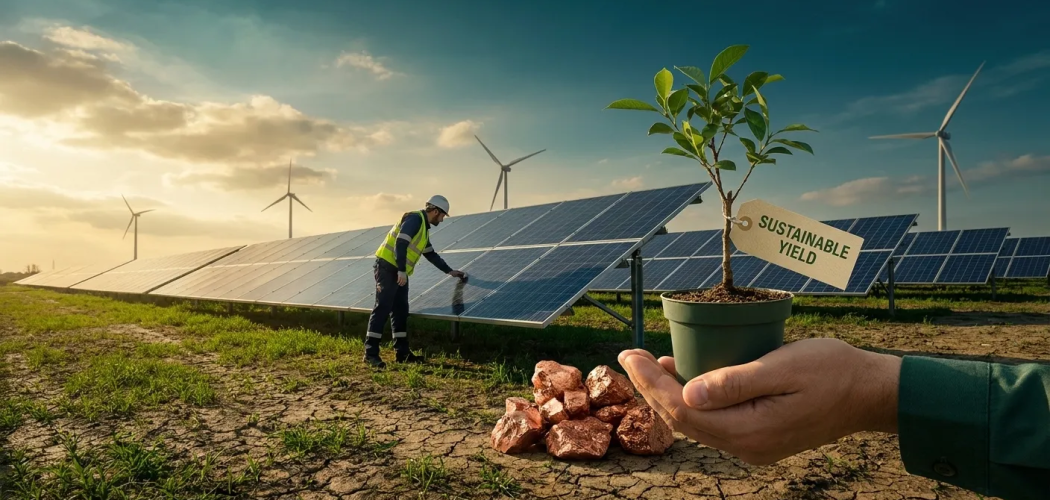
The global investment landscape is undergoing a profound transformation. This shift is driven by the increasing prominence of Environmental, Social, and Governance (ESG) factors. For active commodity traders and institutional analysts, ignoring this trend is no longer an option. ESG Commodity Investing is rapidly moving from a niche consideration to a core driver of market value. It influences everything from supply chain integrity to long-term demand dynamics. Alpha Seekers must understand this evolving imperative to identify both risks and unprecedented opportunities.
The ESG Imperative: A New Paradigm for Commodity Markets
The impact of ESG principles on commodities is multifaceted. Environmentally, regulations on carbon emissions, water usage, and land degradation directly affect mining operations, agricultural practices, and energy production. Socially, labor practices, community relations, and human rights within supply chains are scrutinizing producers. Furthermore, governance factors, such as transparency and ethical conduct, are critical for investor confidence. Companies with poor ESG scores often face higher capital costs. They also experience reputational damage and potential operational disruptions. Conversely, those demonstrating strong ESG performance are attracting capital and securing better financing terms. They are also building more resilient supply chains. This bifurcation creates distinct trading opportunities. Traders can identify ‘green premiums’ for sustainably sourced commodities. Alternatively, they might short companies with significant, unaddressed ESG liabilities.
Understanding Environmental Factors in Commodity Production
Environmental considerations are paramount in modern commodity markets. Regulatory pressures are intensifying globally. For instance, stricter carbon pricing mechanisms impact energy-intensive industries. Water scarcity, a growing concern, directly affects agricultural yields and mining operations. Land use changes, including deforestation, attract significant scrutiny. These factors directly influence operational costs and long-term viability for commodity producers. Consequently, investors are increasingly evaluating companies based on their environmental stewardship. This assessment includes their strategies for reducing emissions, managing water resources, and minimizing ecological footprints. Moreover, advanced analytics can track these metrics. This allows sophisticated investors to anticipate regulatory shifts and market reactions.
Social Dimensions: Beyond the Balance Sheet
Social factors extend beyond basic labor laws. They encompass community engagement, worker safety, and human rights across the entire supply chain. Poor social performance can lead to strikes, boycotts, and severe reputational harm. These incidents directly impact production and market sentiment. Conversely, companies that prioritize robust social policies often foster stronger community relationships. This leads to more stable operations and reduced social license risks. For example, ethical sourcing of minerals, like those found in electric vehicle batteries, is becoming a critical differentiator. Investors are keenly observing these aspects. They understand that a company’s social capital can be as valuable as its financial capital. Therefore, integrating social intelligence into trading models provides a distinct informational advantage.
Governance: The Foundation of Trust and Performance
Strong governance underpins both environmental and social performance. It involves transparent reporting, ethical leadership, and robust risk management. Companies with weak governance structures are more susceptible to scandals, corruption, and regulatory penalties. These issues can rapidly erode shareholder value. Conversely, well-governed entities demonstrate greater accountability. They also exhibit better long-term strategic planning. This builds investor trust. For instance, clear oversight of ESG targets and executive compensation linked to sustainability metrics signal a genuine commitment. Analysts often scrutinize board diversity and independence as indicators of effective governance. Ultimately, superior governance reduces uncertainty. This makes such companies more attractive investments in volatile commodity markets.
Navigating the ESG Commodity Investing Landscape
Navigating the ESG commodity investing landscape requires a sophisticated approach. It’s not simply about avoiding ‘dirty’ industries. It involves understanding the nuances of transition. For example, while fossil fuels face headwinds, the metals essential for renewable energy, like copper, lithium, and nickel, are experiencing surging demand. These metals, however, present their own ESG challenges in extraction and processing. Alpha Seekers should integrate ESG data into their quantitative models. They need to look beyond traditional financial metrics. This helps assess a commodity’s true long-term value and risk profile. This includes analyzing corporate ESG disclosures. It also involves utilizing third-party ESG ratings. Furthermore, advanced techniques like satellite imagery can monitor environmental compliance. The collective wisdom of the market, reflected in increasing investor preference for sustainable assets, will continue to amplify these trends. This makes ESG a powerful and enduring force in commodity valuation. Adapting to this imperative is key to sustaining an edge. Predictive analytics, for instance, can offer insights into future carbon credit pricing, a crucial component of ESG valuation. For more on this, consider exploring Aetherium’s Edge: Unlocking Predictive Carbon Credit Insights for Alpha Seekers.
Data-Driven Strategies for Sustainable Commodity Investing
Effective ESG commodity investing relies on robust data and analytical frameworks. Traders must move beyond anecdotal evidence. They need to incorporate quantitative ESG metrics into their decision-making processes. This involves sourcing data from diverse providers. It also requires developing proprietary models that can identify correlations between ESG performance and financial returns. For instance, analyzing water usage intensity in agricultural commodities can predict future price volatility due to climate change. Similarly, assessing labor practices in mining operations can flag potential supply disruptions. The aggregation and interpretation of this data allow for more informed and agile trading decisions. This is crucial for gaining an edge in dynamic markets.
Identifying Green Premiums and ESG-Related Short Opportunities
The rise of sustainable finance has created distinct market inefficiencies. These present opportunities for alpha generation. ‘Green premiums’ emerge when sustainably produced commodities command higher prices. This is due to increased demand from environmentally conscious consumers or regulatory incentives. Conversely, companies with significant ESG liabilities may become targets for short selling. Their poor practices could lead to regulatory fines, consumer backlash, or operational shutdowns. Identifying these companies requires thorough due diligence and a forward-looking perspective. For example, a country’s stance on environmental regulations can significantly impact commodity prices. Consider how discussions around OPEC quotas, such as in Exclusive-Iraq to consider all options if OPEC quota is not raised, has weighed exit, sources say, can influence the broader energy landscape, including transitions to greener alternatives. Smart traders can capitalize on these disparities. They can position themselves to profit from both the upside of sustainable growth and the downside of unsustainable practices. This is a core tenet of modern ESG commodity investing strategies.
The Role of Social Intelligence and Collective Wisdom in ESG
Social intelligence offers a powerful lens for understanding ESG dynamics. Analyzing public sentiment, news flows, and stakeholder discussions provides early warning signals. It can also highlight emerging trends. For example, social media can quickly amplify concerns about a company’s environmental record. This can lead to rapid shifts in investor perception and commodity prices. Furthermore, collective wisdom, derived from the aggregated insights of a sophisticated investor community, can pinpoint overlooked ESG risks or opportunities. This shared intelligence can help validate or challenge individual analyses. It also fosters a more comprehensive understanding of market dynamics. Integrating social data into predictive models enhances the accuracy of ESG assessments. This provides a distinct advantage for those seeking to anticipate market movements. The ability to discern genuine shifts from transient noise is vital. This capability helps refine approaches to ESG commodity investing.
Emerging Markets and ESG Considerations
Emerging markets often present unique ESG challenges and opportunities. Rapid industrialization can strain environmental resources. Developing regulatory frameworks may also create uncertainties. However, these markets are also at the forefront of adopting new, sustainable technologies. They are often driven by the need to bypass older, polluting infrastructure. Investors in these regions must conduct meticulous ESG due diligence. They need to assess local regulations, social contexts, and governance structures. For instance, investments in renewable energy infrastructure in developing nations can offer significant returns. They also contribute to global sustainability goals. Understanding these nuances is crucial for successful ESG commodity investing in diverse geographies. Reports like Horizons Middle East & Africa 6/25/2026 can provide valuable regional insights. This makes them relevant for those focused on international commodity markets and their ESG profiles.
The Future of ESG Commodity Investing: Innovation and Integration
The trajectory of ESG commodity investing points towards deeper integration and continuous innovation. Predictive analytics, powered by artificial intelligence and machine learning, will become indispensable. These tools can process vast amounts of ESG data. They can identify complex patterns and forecast future trends. This includes predicting the impact of climate policy changes. It also involves anticipating shifts in consumer preferences for sustainable products. Furthermore, blockchain technology is emerging as a solution for enhancing supply chain transparency. It can verify the origin and ESG credentials of commodities. This level of traceability builds trust and reduces greenwashing risks. Alpha Seekers must embrace these technological advancements. They need to incorporate them into their trading strategies. This ensures they remain at the forefront of this evolving landscape. The future demands not just awareness of ESG but proactive engagement. This includes the development of sophisticated tools for ESG commodity investing. Such tools will be essential for capturing sustainable alpha.
Challenges and Opportunities in ESG Reporting and Data
Despite the growing importance of ESG, challenges remain in reporting and data standardization. Inconsistent reporting frameworks can make direct comparisons between companies difficult. This creates a need for sophisticated analytical approaches. Investors must be adept at normalizing data and identifying material ESG factors specific to each commodity sector. However, these challenges also present opportunities. Firms that can effectively aggregate, analyze, and interpret disparate ESG data gain a significant informational advantage. This capability allows them to uncover mispriced assets. It also helps them identify companies with hidden ESG strengths or weaknesses. The development of robust internal ESG data platforms is therefore becoming a competitive necessity. This is particularly true for those engaged in ESG commodity investing.
The Long-Term Value Proposition of Sustainable Commodity Assets
Investing in commodities with strong ESG credentials is not just about short-term gains. It’s about building resilient portfolios that can withstand future economic and environmental shocks. Companies committed to sustainability are often better positioned to adapt to regulatory changes. They can also manage resource scarcity more effectively. This leads to more stable cash flows and reduced long-term risks. Furthermore, the growing pool of capital dedicated to sustainable investing creates a powerful tailwind for these assets. As institutional investors increasingly allocate funds based on ESG criteria, demand for sustainable commodities will continue to rise. This creates a compelling long-term value proposition for active traders. They can identify and capitalize on these enduring trends in ESG commodity investing. The market’s collective shift towards sustainability reinforces this value proposition.
Conclusion: Embracing ESG for Enduring Alpha
Embracing ESG principles in commodity investing is not merely an ethical choice. It is a strategic necessity for those aiming to capture future alpha in dynamic markets. The confluence of environmental regulations, social scrutiny, and governance demands is fundamentally reshaping commodity valuations. Active traders and institutional analysts must integrate ESG factors into their core strategies. This involves sophisticated data analysis, predictive modeling, and a deep understanding of market sentiment. By doing so, they can identify emerging risks and seize unparalleled opportunities. The future of commodity markets belongs to those who proactively adapt to this imperative. They must leverage social intelligence and advanced analytics. This will help them navigate the complexities of sustainable finance. Ultimately, mastering ESG commodity investing is key to sustaining a competitive edge and achieving enduring success.
FAQ
What are the primary ESG factors influencing commodity markets?
The primary factors include environmental aspects like carbon emissions, water usage, and land degradation. Socially, labor practices, community relations, and human rights are crucial. Governance factors involve transparency, ethical conduct, and robust risk management. These elements collectively impact commodity supply chains and market value.
How can active traders integrate environmental and social data into their strategies?
Active traders can integrate this data by utilizing corporate disclosures, third-party sustainability ratings, and advanced analytics. This includes satellite imagery for environmental monitoring and social intelligence tools for sentiment analysis. Combining these with traditional financial metrics offers a comprehensive view for trading decisions.
Why is governance particularly important for sustainable commodity investments?
Strong governance provides the foundation for effective environmental and social performance. It ensures transparency, accountability, and ethical leadership. Companies with robust governance are better equipped to manage risks, comply with regulations, and maintain investor confidence, which is vital for long-term value.
Are there specific commodities benefiting from the shift towards sustainable practices?
Yes, commodities essential for renewable energy, such as copper, lithium, and nickel, are seeing increased demand. Agricultural products sourced sustainably and carbon credits also represent growing areas of interest. These commodities often command ‘green premiums’ due to their alignment with sustainability goals.
What role does collective wisdom play in assessing ESG in these markets?
Collective wisdom, derived from the aggregated insights of the investor community, helps validate or challenge individual analyses of ESG factors. It provides a broader understanding of market sentiment and can highlight overlooked risks or opportunities, amplifying the trends towards sustainable asset preference.